

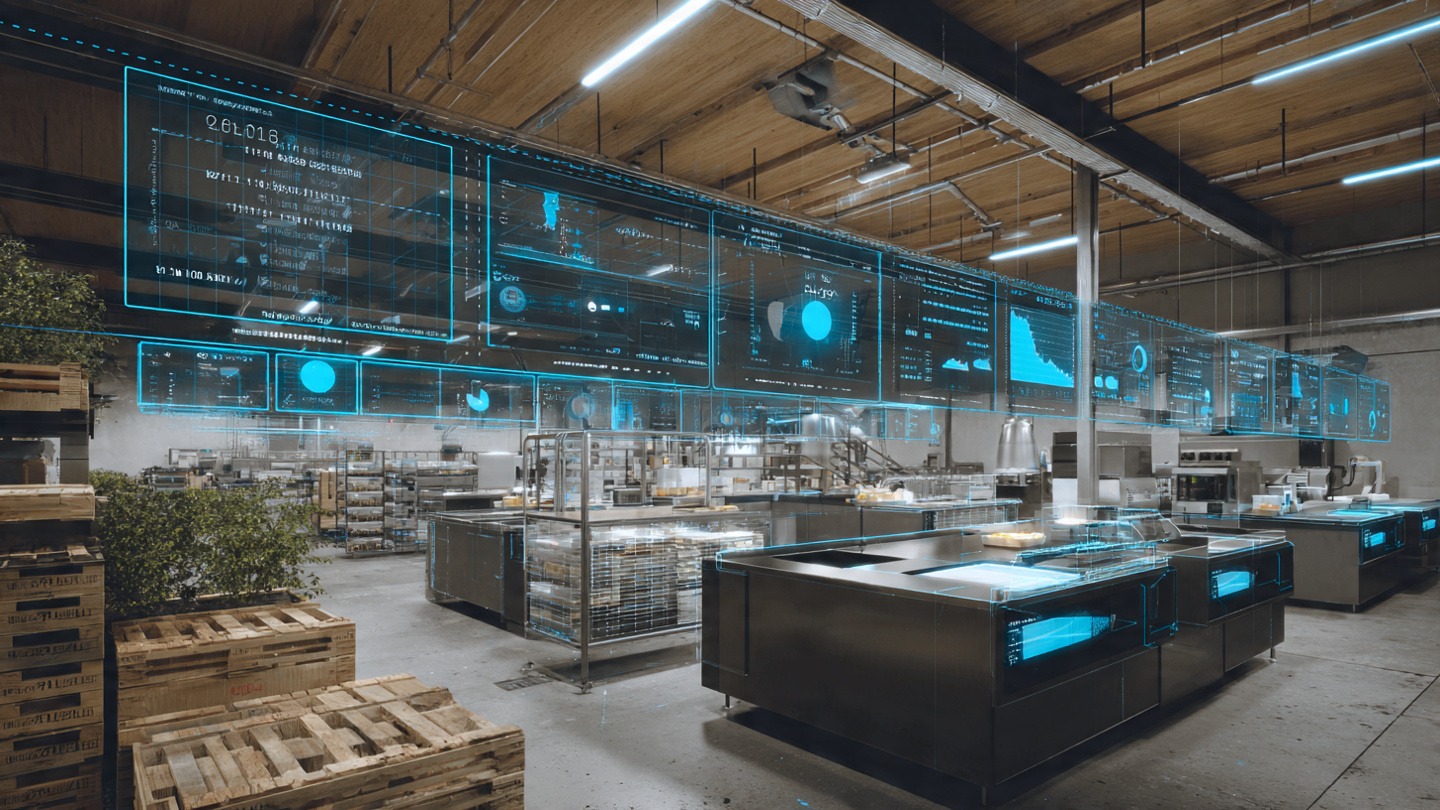
Have you ever walked into a warehouse or a restaurant and suddenly felt uneasy about what might be living just out of sight? I have. A few years ago, I used to manage a small café back when I lived in another city, and pest worries were always at the back of my mind — especially when health inspectors came to visit. I remember waking up some mornings before opening, coffee in hand, wondering if we’d have any critters hiding behind the shelves. That experience made me realize how much environmental health management really matters — and how stressful it can be when you’re doing it the old-fashioned way.
That’s why when I first heard about Anticimex 3D Sanidad Ambiental / WiseCon Estrategia de Plataforma, I was genuinely intrigued. It sounded like a mix of software buzzwords and pest control, which at first made me raise an eyebrow. But the more I learned, the more it made sense — especially if you care about proactive, modern approaches to keeping environments safe and clean.
What This Actually Means
So let’s break down what this is without drowning in jargon. Anticimex is a company that’s been around for a long time in the pest control and environmental health space. What they’re doing now is moving away from just reacting — like showing up after a problem has already started — toward preventing issues before you even notice them.
The “3D” part isn’t about virtual reality games or 3D movies. Think of it more as three dimensions of care: detect early, understand with data, and take action smarter. That’s a lot different from calling someone only when you find a mouse in the kitchen.
Now, WiseCon is part of the tech behind this. It acts like a nervous system for all those little sensors and monitoring tools that Anticimex uses. The idea is simple: sensors collect information constantly — about humidity, movement, temperature, insect activity, you name it — and WiseCon helps make sense of it. You get alerts and insights instead of surprises.
Imagine having a digital dashboard that tells you, “Hey, we’ve seen higher rodent runs in Storage Room B in the last 48 hours,” before you find droppings on a Monday morning. That’s the kind of shift we’re talking about.
A Shift from Reaction to Prevention
I remember chatting with a friend who runs a bakery, and she told me how much anxiety pest concerns caused her staff. They were always cleaning, checking corners, and sometimes paying extra for frequent visits from pest control, just to feel secure. That’s typical for a lot of small businesses.
But with systems like this, what you’re really doing is using data to guide action, not guesswork. It’s like the difference between waiting for a leak to burst through your ceiling and having a roof inspection say, “Hey, patch this now before it gets worse.”
It doesn’t eliminate environmental health challenges — nothing ever will — but it sure changes how you deal with them.
Why It Matters for Businesses and Public Spaces
You don’t have to manage a café or a bakery to see the value. Hospitals, warehouses, food processors, offices — pretty much anywhere people gather or products are stored — could benefit from scanning the environment for early warnings.
And let’s talk about peace of mind for a moment. When you’re running something that affects other people’s health or livelihood — and that’s true whether you manage a daycare center or a grocery store — not worrying about hidden issues every single day is a serious quality of life improvement.
Plus, having reliable data makes compliance with health regulations way less stressful. Instead of scrambling to produce a stack of outdated inspection reports when someone asks, you’ve got current, organized information ready to show.
What It Feels Like on the Ground
If you ever get the chance to visit a business that uses this kind of system, you’ll notice something different. There’s less frantic sweeping and checking. Fewer panicked calls when someone spots a bug. Instead, people seem calmer, more in control — because they’re not reacting to surprises, they’re managing risks.
You might still laugh when you hear “environmental health strategy platform,” but trust me, once you’ve dealt with the mess of unknowns that come with pests, mold risk, or contamination threats, something like this starts sounding pretty good.
Final Thoughts
Anticimex 3D Sanidad Ambiental / WiseCon Estrategia de Plataforma isn’t just another tech slogan. It’s part of a shift toward smarter, more thoughtful ways of protecting spaces we live in and depend on. For business owners, facility managers, and even curious folks like me, it shows how combining digital tools with real-world needs can make daily life a little less stressful — and a lot safer.
FAQs People Actually Want Answered
What kinds of problems can this system spot?
It watches for early signs of pest movement, changes in humidity that might lead to mold, and other environmental triggers before they become obvious issues.
Is this just for big companies?
No. Small businesses can benefit even more because they usually have fewer resources and can’t afford surprises.
Do I still need someone to physically check my site?
Yes, sensors don’t replace human expertise, but they help humans do their jobs better and smarter.
Will this save money?
Often, yes. Catching issues early means fewer emergency responses, fewer regulatory fines, and fewer surprises.
Is it hard to use?
From what I’ve seen, the dashboard is designed to be intuitive. You don’t need a tech degree to understand basic alerts and trends.
