

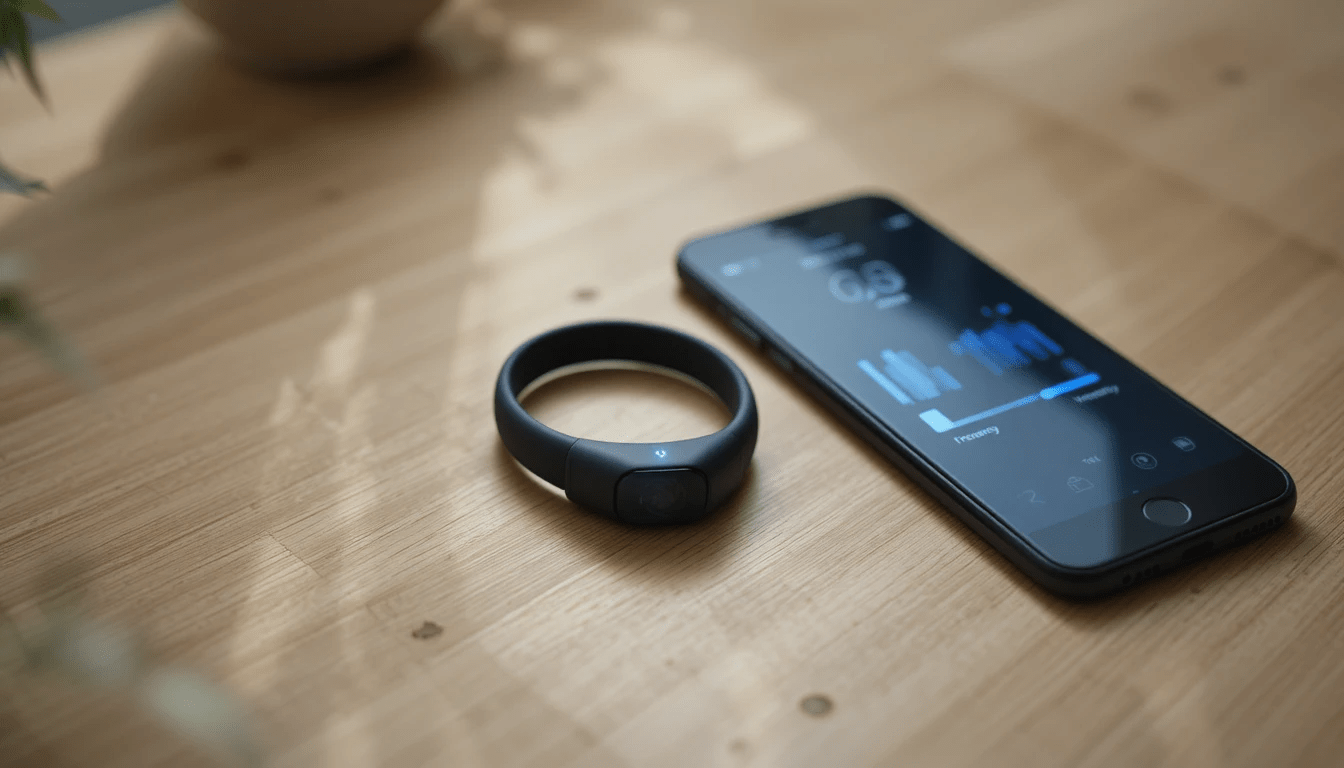
In the world of mental wellness technology, sometimes the simplest solutions are the most profound. You might have heard them called “tappers,” “buzzies,” or tactile stimulators. Whatever the name, wireless bilateral stimulation tabs are rapidly moving from the therapist’s office into the daily lives of people seeking relief from anxiety, stress, and focus issues.
If you are considering investing in a set for yourself, your child, or your therapy practice, it is crucial to understand what you are buying. This guide breaks down the technology, the key product features to look for, and what real-world reviews are saying about the top contenders.
What Are Wireless Bilateral Stimulation Tabs?
To understand the product, you first have to understand the mechanism. Bilateral stimulation (BLS) is a core component of EMDR (Eye Movement Desensitization and Reprocessing) therapy. It involves stimulating the brain in a rhythmic, alternating left-right pattern.
Originally, this was done by a therapist moving their finger back and forth for the client to follow with their eyes. Today, technology has digitized this process. Wireless bilateral stimulation tabs are small, handheld devices (often sold in pairs) that vibrate.
When you hold one in each hand (or place them in left and right pockets), they buzz in an alternating rhythm: Left… Right… Left… Right.
The Goal: This rhythm communicates with the brain’s “fight or flight” center (the amygdala). Research suggests this rhythmic input shifts the brain from a state of high alert to a state of calm, helping to process trauma or simply lower heart rates during a panic attack.
Key Product Information: What to Look For
Not all tabs are created equal. When browsing product info, these are the three technical specifications that matter most:
1. Connectivity and Syncing
This is the “wireless” part of the equation. Older clinical models were connected by long wires to a central control box. Modern tabs use Bluetooth to connect to each other or to a smartphone app.
- What to check: Does the device require a phone to work, or can it operate independently? App-controlled models offer more customization, but standalone models are faster to activate during a sudden panic attack.
2. Haptic Customization
Everyone’s sensory threshold is different. A buzz that feels soothing to one person might feel irritating to another.
- What to check: Look for devices that offer adjustable intensity (how hard it vibrates) and speed (how fast the left-right rhythm alternates). High-quality tabs allow you to fine-tune this specifically to your nervous system’s needs.
3. Wearability and Discretion
One of the biggest selling points of wireless tabs is that you can use them in public—in a boardroom meeting, a classroom, or on a crowded subway.
- What to check: Does the product come with wristbands (like a watch), clothing clips, or is it just a loose pod? Many users prefer clips so they can attach the tabs to socks or bra straps for invisible therapy.
Industry Reviews: The Pros and Cons
Based on current market feedback for popular brands like TouchPoints and Bi-Tapp, here is a summary of user experiences.
The “Pros”: Why Users Love Them
- Instant Grounding: The most consistent praise in reviews is speed. Users with high anxiety or PTSD report that the physical sensation of the alternating vibration “brings them back to their body” within minutes, de-escalating panic attacks before they spiral.
- Sleep Aid: Many insomniacs report that placing the tabs in a pillowcase or holding them helps quiet racing thoughts, acting as a rhythmic lullaby for the brain.
- Focus for ADHD: Parents of children with ADHD often review these products favorably, noting that the gentle tactile input helps their children sit still and focus on homework for longer periods.
The “Cons”: Common Complaints
- The Price Tag: These are not cheap gadgets. Most reliable sets range from 150toover300. Some reviewers feel this is expensive for “vibrating motors,” though others argue the therapeutic software justifies the cost.
- Battery Life: Because the haptic motors work constantly during a session, battery life can be short (often 3-4 hours of continuous use). Frequent charging is a common frustration mentioned in product info comments.
- Connectivity Glitches: The most common technical complaint is desyncing. If the Bluetooth signal drops for a second, both tabs might buzz at the same time instead of alternating, which breaks the therapeutic rhythm.
Who Should Buy These?
Wireless bilateral stimulation tabs are not a cure-all, and they do not replace a licensed therapist, especially for deep trauma work. However, product reviews consistently suggest they are powerful tools for self-regulation.
They are best suited for:
- Individuals with High Anxiety: As a portable “panic button.”
- Therapists: Who want to offer BLS without being tethered by wires.
- Neurodivergent Individuals: Who benefit from sensory regulation tools.
Conclusion
The transition from wired clinical tools to wireless bilateral stimulation tabs has democratized access to this calming technology. While the price point is significant, the reviews suggest that for those struggling to manage an overactive nervous system, the investment in a portable, discreet calm-down tool is often worth it. As with any wellness device, reading the detailed product info to ensure the battery life and wearability match your lifestyle is the key to a happy purchase.
