

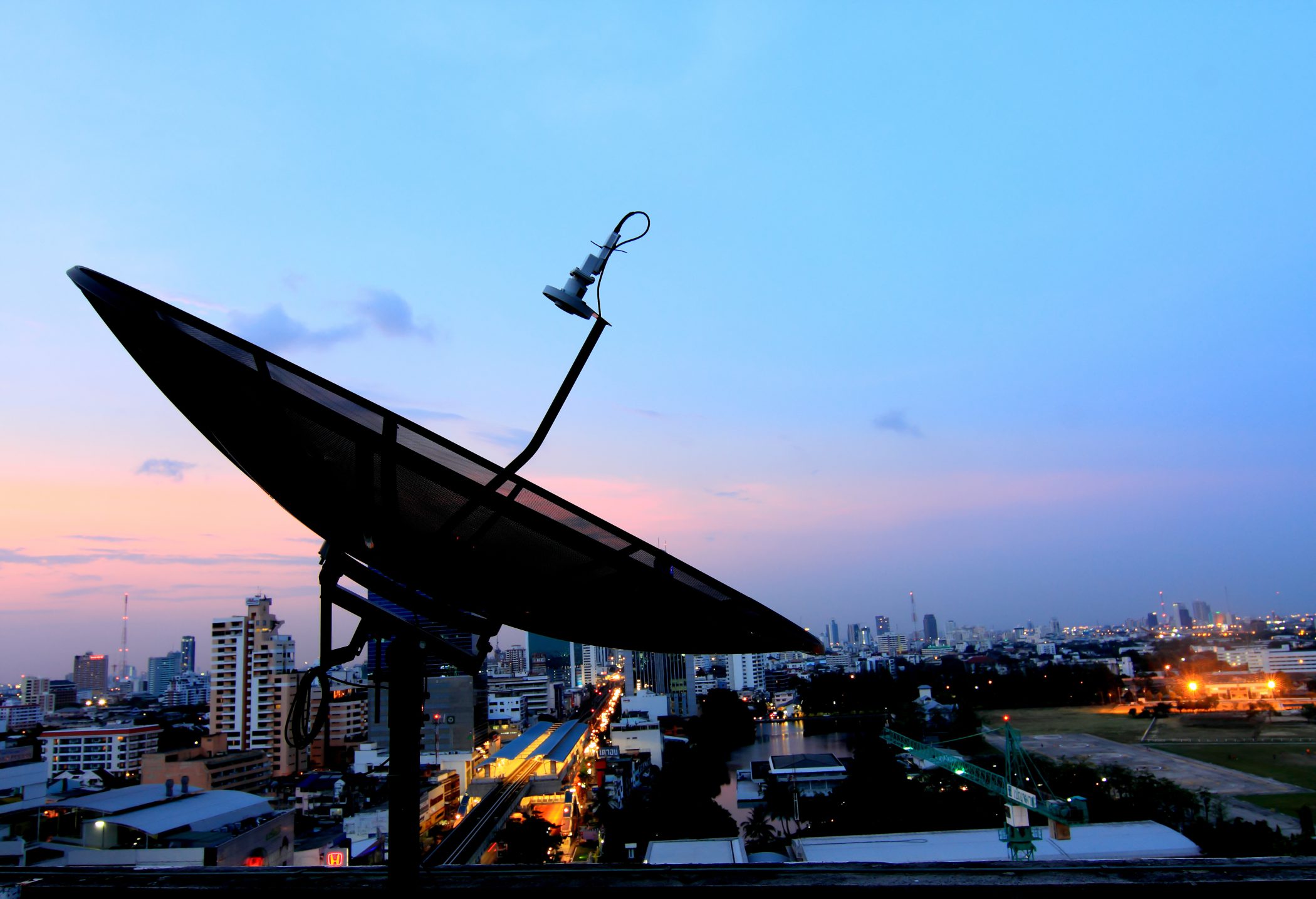
In today’s always-on digital environment, uninterrupted connectivity is no longer a luxury. For businesses operating in the UAE, where industries like finance, logistics, oil and gas, construction, healthcare, and government services rely heavily on real-time data, even a short network outage can result in operational disruption, financial loss, and reputational damage. This is where satellite internet in UAE becomes a critical component of disaster recovery and backup connectivity strategies.
Unlike traditional terrestrial networks that depend on physical infrastructure, satellite-based connectivity offers resilience, reach, and reliability, making it an ideal solution when conventional broadband fails.
The Growing Importance of Disaster Recovery Connectivity
Disasters are not limited to extreme natural events. In a modern business context, disasters can include fiber cuts, power failures, cyberattacks, construction-related network damage, or even large-scale system outages. The UAE’s rapid urban expansion and infrastructure development, while impressive, can occasionally increase the risk of accidental cable damage.
A robust disaster recovery plan focuses not only on data backup but also on maintaining communication channels during unexpected downtime. Without internet access, cloud systems, VoIP communications, remote access tools, and customer-facing platforms all come to a halt. This makes backup connectivity as essential as backup data.
Why Satellite Internet Stands Out in the UAE
The UAE’s unique geography and economic structure make satellite connectivity particularly valuable. From dense urban centers to offshore platforms and remote desert locations, businesses operate in environments where traditional wired connections are not always feasible or dependable.
Satellite internet in UAE does not rely on underground cables or local exchanges. Instead, it connects directly via satellites, bypassing many of the vulnerabilities associated with terrestrial broadband. This independence makes it a powerful fallback option during emergencies.
Infrastructure Independence and Reliability
One of the biggest advantages of satellite internet is its independence from ground-based infrastructure. Fiber and DSL networks are vulnerable to physical damage, flooding, construction activity, and localized outages. When these systems fail, recovery can take hours or even days.
Satellite connectivity, on the other hand, remains operational as long as the satellite terminal has power and a clear line of sight to the sky. This makes it highly reliable during natural disasters or infrastructure failures. For mission-critical operations, this level of reliability is invaluable.
Rapid Deployment During Emergencies
Time is critical during a disaster. Setting up new fiber or repairing damaged cables can be slow and complex. Satellite internet solutions can be deployed rapidly, sometimes within hours, especially when preconfigured terminals are part of a disaster recovery plan.
Businesses that maintain satellite connectivity as a standby option can switch over almost instantly when primary networks go down. This rapid failover ensures business continuity and minimizes downtime.
Ideal for Remote and Hard-to-Reach Locations
The UAE has many business operations located outside major urban hubs, including oil fields, construction sites, mining areas, and temporary project locations. These sites often lack access to reliable terrestrial broadband.
Satellite internet provides consistent connectivity regardless of location. This makes it not only a disaster recovery tool but also a primary or secondary connection for remote operations. During emergencies, these sites remain connected when other networks fail.
Supporting Business Continuity and Cloud Access
Modern businesses rely heavily on cloud platforms for data storage, enterprise applications, and collaboration tools. Disaster recovery strategies often involve cloud-based backups and virtual work environments.
Without internet access, these systems are useless. Satellite connectivity ensures continued access to cloud resources, enabling employees to work remotely, access critical systems, and communicate with stakeholders even during major outages. This is especially important for companies with distributed teams or international operations.
Security and Network Resilience
Disaster scenarios can increase cybersecurity risks. Network instability and rushed recovery efforts sometimes create security gaps. Satellite internet connections can be configured with strong encryption, VPNs, and secure access protocols to maintain data integrity during emergencies.
By integrating satellite links into a broader network resilience strategy, businesses can isolate critical traffic, prioritize essential applications, and maintain secure communication channels during disruptions.
Cost-Effective Backup for Enterprises
While satellite connectivity was once considered expensive, modern solutions are far more cost-effective, especially when used as a backup rather than a primary connection. Compared to the potential losses caused by prolonged downtime, satellite internet represents a smart investment.
Many providers now offer flexible packages tailored for enterprise use, allowing businesses to align satellite services with their existing broadband plans for business. This hybrid approach ensures optimal performance during normal operations while maintaining robust backup connectivity.
Seamless Integration with Existing Networks
Satellite internet can be easily integrated into existing IT and network infrastructures. With proper configuration, it can function as an automatic failover connection that activates only when the primary network fails.
This seamless integration minimizes manual intervention during crises and ensures continuity without disrupting ongoing operations. IT teams can monitor performance, manage traffic, and maintain service quality across both terrestrial and satellite links.
Supporting Compliance and Risk Management
Many industries in the UAE are subject to strict regulatory requirements related to data availability, uptime, and business continuity. Financial institutions, healthcare providers, and government contractors often need documented disaster recovery and connectivity plans.
Using satellite internet as part of a comprehensive disaster recovery strategy helps organizations meet compliance standards and demonstrate proactive risk management. It shows preparedness not only for data recovery but also for operational resilience.
Future-Proofing Business Connectivity
As the UAE continues to invest in smart cities, digital transformation, and critical infrastructure, the demand for resilient connectivity will only grow. Satellite technology is also evolving rapidly, offering improved speeds, lower latency, and better service reliability.
By incorporating satellite internet in UAE into their connectivity strategy today, businesses future-proof their operations against both known and unknown risks. When combined with optimized broadband plans for business, satellite connectivity becomes a cornerstone of a robust, flexible, and disaster-ready network architecture.
Final Thoughts
Disaster recovery is no longer just about backing up data. It is about ensuring uninterrupted access to systems, people, and information when it matters most. In the UAE’s fast-paced and high-stakes business environment, satellite internet offers unmatched reliability, rapid deployment, and geographic flexibility.
Whether used as a backup connection or as part of a hybrid network strategy, satellite connectivity plays a vital role in safeguarding business continuity. For organizations serious about resilience, preparedness, and long-term stability, satellite internet is not just an option. It is a strategic necessity.
