

I still remember the first time I realized how much tech shapes the world around us. It wasn’t a grand lecture or a business seminar—it was sitting in a café, watching people glued to their phones, scanning QR codes, or navigating apps I didn’t even know existed. And it hit me: technology isn’t just about convenience. It’s power. The kind of power that governments, companies, and even entire economies quietly, but fiercely, fight over.
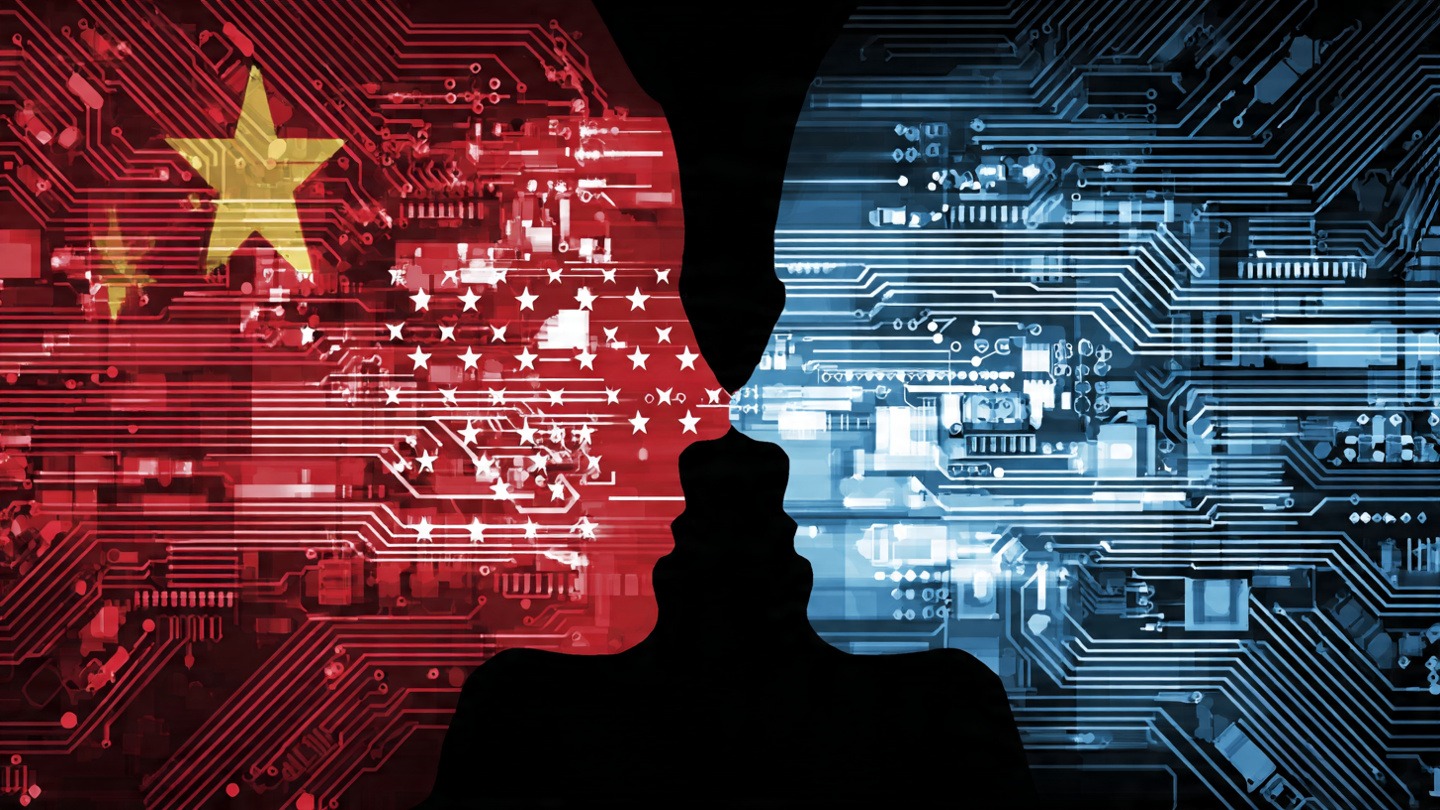
The US China technology competition Dimon talks about is exactly that kind of fight. It’s a race where chips, algorithms, and infrastructure decide who leads tomorrow. Jamie Dimon, the CEO of JPMorgan, has weighed in on this more than once. And his perspective? Surprisingly grounded, yet sobering. He sees the competition as more than headlines and stock charts—it’s about influence, security, and shaping the future in ways most people never notice but feel everywhere.
What’s striking is how this race isn’t just a “US versus China” story. It’s a tug-of-war involving supply chains, talent wars, investments, and national pride. Dimon, being at the helm of one of the world’s biggest banks, often reminds us that money and tech are deeply entwined. Decisions made in boardrooms in New York or Beijing ripple through markets in ways ordinary people rarely see—but we feel them in prices, availability of products, and even the pace of innovation itself.
This isn’t an abstract rivalry. It affects the phones we use, the apps we trust, the way businesses operate, and even the jobs we might have in ten years. That’s why paying attention to Dimon’s take is so important—he doesn’t just see the numbers; he sees patterns, risks, and opportunities that most of us would overlook if we just glanced at the news.
The History Behind the US-China Tech Race
A couple of decades ago, this competition wasn’t the headline-grabbing showdown it is today. It crept up quietly. In the 1990s and early 2000s, China was mostly a manufacturing hub. Its tech sector was fledgling, while the U.S. dominated with Silicon Valley and Wall Street fueling innovation.
Then things changed. China began investing heavily in education, infrastructure, and state-backed tech initiatives. They didn’t just want to produce gadgets—they wanted to design, innovate, and set standards. Meanwhile, the U.S. relied on its free-market approach, letting startups experiment and hoping regulation wouldn’t stifle growth.
The tension became visible with the rise of AI, semiconductors, and 5G networks. Suddenly, the question wasn’t “Who has the best phone?” but “Who controls the systems that run the world?” Dimon has repeatedly noted that the stakes go far beyond profits. Banks, investors, and governments track these moves closely because whoever dominates these sectors will influence global finance, trade, and security.
At its core, this competition is layered: business competition for market share, strategic moves to secure supply chains and intellectual property, and even personal stakes for the leaders involved, since technology decisions can reshape careers, influence elections, and shift global power almost overnight.
Jamie Dimon’s Perspective: Banking Meets Technology
Jamie Dimon isn’t a tech executive, yet he speaks about tech with surprising clarity. For him, this isn’t just about gadgets or apps; it’s about infrastructure, investment flows, and the financial systems underpinning global tech. He has said that the US-China rivalry is one of the most significant geopolitical events of this century—because technology now drives money, and money drives power.
Take semiconductors, for instance. Dimon points out that banks like JPMorgan closely monitor the chip shortage crisis—not because they make chips, but because finance follows scarcity and demand. Companies that control supply can dominate entire sectors. And when governments introduce tariffs, restrictions, or strategic investments, it directly affects the financial strategies Dimon oversees daily.
He also stresses that technology isn’t a zero-sum game. Innovations like cloud computing, AI-driven healthcare, and online payments benefit everyone. But the competition intensifies when national interests collide. Dimon argues that investors and policymakers must think long-term, because the global tech infrastructure is intertwined with national security, trade policy, and international influence. This, he believes, defines the current US China technology competition Dimon warns about.
Key Technologies Driving the Race
The rivalry is tangible in several high-stakes areas:
Artificial Intelligence
Both nations are investing billions into AI. From self-driving cars to predictive analytics in banking, AI will define who can process data fastest and most accurately. Dimon observes that financial systems, logistics, and health services will lean heavily on AI capabilities, and whoever leads gains a significant advantage.
5G and Telecommunications
Connectivity is power. The country that controls 5G networks essentially controls the backbone of modern digital life. Dimon emphasizes that infrastructure investments may not be flashy, but they’re decisive. Lagging behind or relying on foreign tech can cost billions and restrict strategic options.
Semiconductors
Those tiny chips in our devices are now global bargaining tools. Dimon highlights how sensitive supply chains are—shortages in one region can disrupt manufacturing worldwide. This isn’t just a tech problem; it’s a financial, trade, and strategic challenge rolled into one. The way the U.S. responds here is a key element of the US China technology competition Dimon consistently talks about.
The Stakes: Economy and National Security
Technology leadership is more than economic gain—it shapes international influence. Countries that lead in innovation set global standards, attract investment, and guide how others develop and deploy technology. A shift in leadership could realign alliances and change global power structures.
Supply chain risks are a major concern. Over-reliance on foreign production for critical components leaves countries vulnerable. Dimon emphasizes that reshoring key technologies and diversifying production isn’t just smart business—it’s a strategic necessity.
The competition also drives innovation. Countries that fall behind risk losing talent, research funding, and startup momentum. This race affects the entire ecosystem of entrepreneurs, engineers, and innovators shaping our future—exactly what makes the US China technology competition Dimon highlights so crucial.
Looking Ahead: Strategies for U.S. Competitiveness
- Investing in Domestic Innovation – Supporting research, startups, and universities ensures that the U.S. continues to lead critical sectors.
- Strengthening Semiconductor Manufacturing – Bringing chip production back home reduces vulnerabilities and strengthens national security.
- Collaborating with Allies – Strategic partnerships diversify supply chains, share knowledge, and maintain global influence.
Closing Thoughts
Jamie Dimon’s warnings highlight a critical truth: the U.S. cannot take its technological leadership for granted. Innovation, investment, and strategic thinking aren’t optional—they’re essential. The US China technology competition Dimon often refers to isn’t just about AI, chips, or 5G—it’s about securing the opportunities, security, and influence that will shape the world for generations.
FAQs
What did Jamie Dimon say about the US China technology competition?
He emphasized that the U.S. must invest in domestic capabilities and reduce reliance on foreign sources to stay competitive globally.
Why is this technology race so important?
It shapes economic power, national security, and leadership in critical industries.
Which technologies are central to this competition?
AI, semiconductors, and 5G/telecommunications are key battlegrounds.
How does it affect global markets?
It impacts trade policies, investment flows, and the security of supply chains worldwide.
Can the U.S. maintain its leadership?
Yes, with sustained investment, strategic alliances, and strong domestic innovation.
