

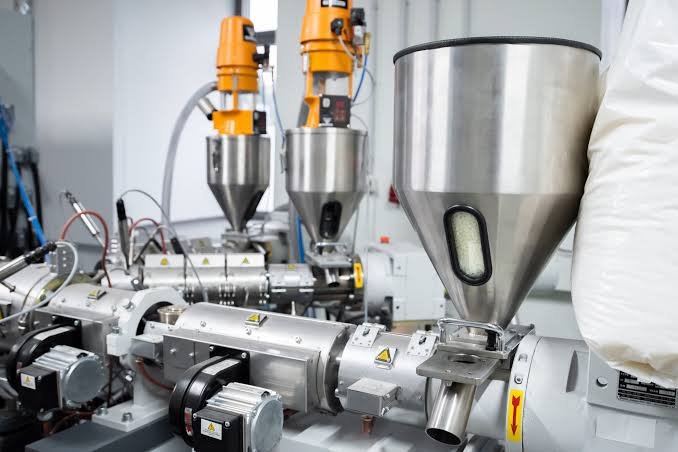
The type of material you choose for a plastic extrusion project impacts the quality and durability of your final product. Different materials have various strengths, flexibilities, and resistance to environmental conditions. Your selection depends on your project’s requirements and applications, and a plastic and rubber extrusion specialist can help you find a suitable option. Here are some tips for choosing the right material for your project:
Define Product Requirements
Material selection should begin with understanding how the finished product will perform after installation or assembly. Product dimensions, operating conditions, and expected service life all influence your material selection. Clear application parameters also help you identify material properties that support long-term performance.
If your product is installed outdoors, prolonged exposure to sunlight and moisture affects material performance over time. Products used in electrical equipment often require different characteristics than profiles installed around your windows or doors. Matching the material to the intended application supports reliable performance throughout normal use.
Once you define product expectations, strength requirements become easier to evaluate during material selection. Flexibility also varies between products designed to bend and those requiring rigid support. Reviewing these performance goals before production helps you select materials that match the intended application.
Compare Material Properties
Every plastic material performs differently when exposed to heat, chemicals, impact, or continuous use. After you match these characteristics with your product requirements, you are likely to support consistent performance after manufacturing. For projects like injection molding, selecting a material with high melt flow and low viscosity can create better surface quality. Some products require high strength and flexibility, so choosing a material with good tensile strength will be more beneficial. Material selection also influences fabrication methods and long-term product durability. Common plastic options include:
- PVC materials: These are suitable for items requiring weather resistance, electrical insulation, and long-term outdoor performance.
- Acrylonitrile Butadiene Styrene: With ABS, products have good impact resistance, especially when exposed to repeated handling or moderate physical stress.
- Polycarbonate: This offers high strength and clarity for guards, covers, and components that require quality impact performance.
Evaluate Extrusion Design
A product’s design influences how materials perform throughout the manufacturing process and during normal use. Profile shape affects material flow during extrusion, while wall thickness contributes to cooling consistency and dimensional stability. Products with tight tolerances often require materials that maintain their shape throughout production. A compatible material supports more consistent manufacturing results, so products remain effective and accurate across multiple production runs.
Match Manufacturing Processes
Some products require additional manufacturing processes after extrusion to achieve their final form and performance. Choosing a material that is compatible with these processes helps simplify fabrication, assembly, and finishing while maintaining the product’s intended quality and durability. Some materials are more appropriate for injection molding, while others are suitable for thermoforming in the plastic extrusion process. Some processes that may be impacted by material selection include:
- Co-extrusion: Multiple materials are combined in co-extrusion to give a product different performance properties.
- Tri-extrusion: Three layers of materials are created in one profile to meet special product requirements.
- Fabrication: Materials with clean edges are used for cutting, drilling, punching, and machining.
- Digital printing: Surface compatibility allows manufacturers to easily print identification or branding on a product.
- Assembly: Material properties influence bonding, fastening, and other joining methods during production.
Review Production Goals
Production goals also influence which materials perform well throughout the manufacturing process. Prototype production often helps verify dimensions, fit, and material performance before larger production begins. Early testing also identifies adjustments before full-scale manufacturing starts.
High-volume production requires materials that deliver consistent quality from one production run to another. Stable material properties help maintain uniform dimensions, and they reduce unnecessary production interruptions. Lead times also influence material selection when production schedules require dependable supply.
After your specifications are finalized, certified materials support products intended for regulated industries or specialized applications. Quality standards verify that finished products meet established manufacturing requirements. Production goals should be reviewed early, and material choices can then align with your manufacturing objectives.
Select Materials for Plastic Extrusion
Choosing the right materials starts with understanding how your product will perform throughout manufacturing and daily use. Material properties, product design, manufacturing processes, and production goals all contribute to reliable product performance. Careful planning also supports consistent quality while reducing unnecessary production adjustments. Contact a plastic extrusion manufacturer today to discuss material options that match your product requirements.
