

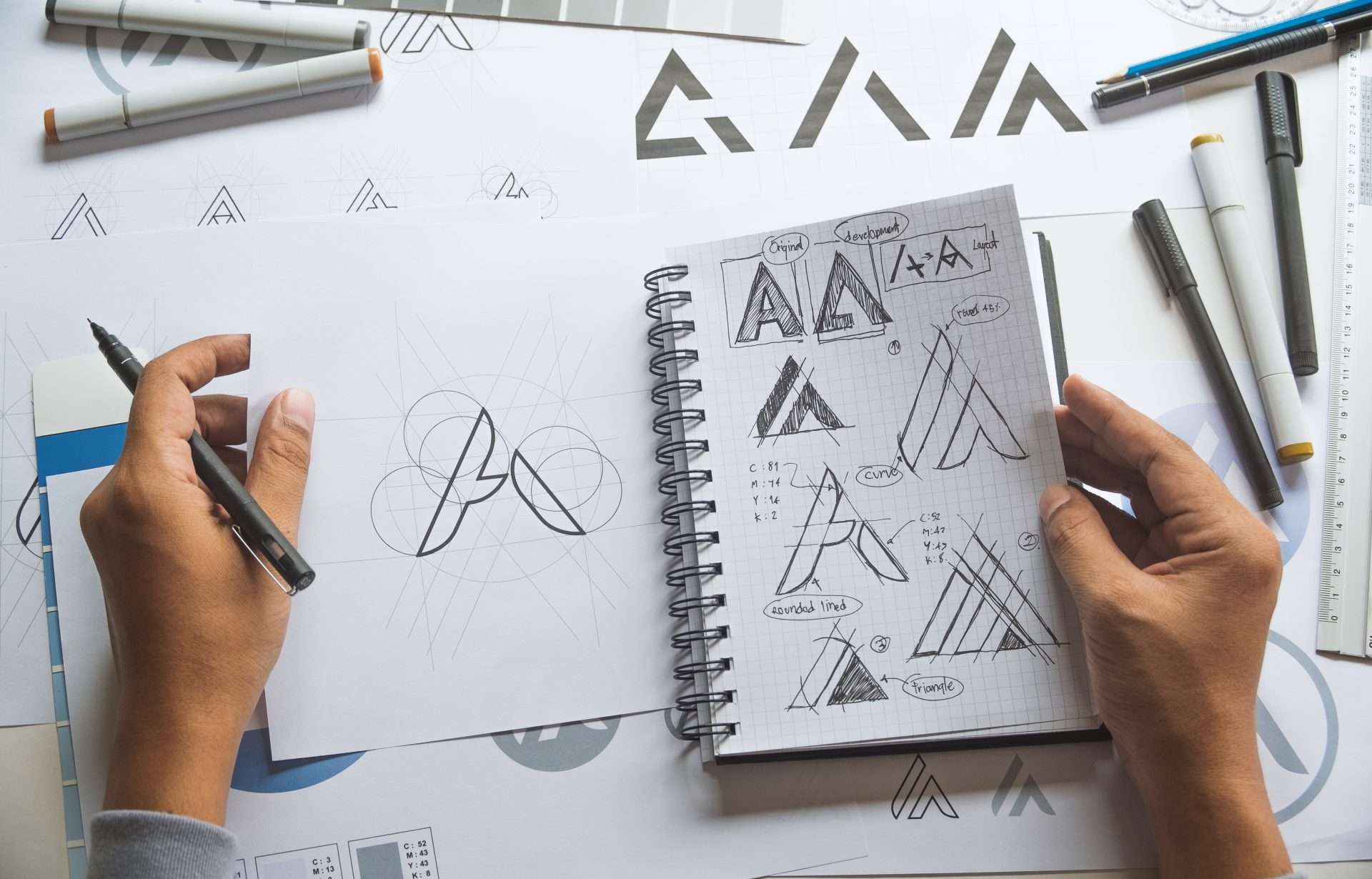
A cohesive brand strategy connects a company’s identity to a clear purpose. It defines the company’s story, guides how it engages its audience, positions it in the market, and makes sure every decision reflects that strategy. A brand design agency develops a structured process that moves from discovery to execution. Here is more information about the process involved in creating a cohesive brand strategy:
Discovery Workshops
A brand design agency focuses on understanding customers, the company, and the competition. A brand discovery workshop brings key stakeholders into a structured session designed to clarify how the company operates within its market. Rather than broad discussion, the workshop focuses on gathering specific inputs about the business, like its origins, current direction, and the audiences it aims to serve.
During these sessions, a creative team leads targeted conversations to document the company’s history and define its primary and secondary audiences. This includes analyzing positioning relative to market trends and identifying gaps or opportunities. When alignment is incomplete or the scope is broader, a branding agency may extend the process through additional workshops or research. These sessions address areas such as company or product naming, deeper strategic development, or audience validation. The goal is to produce a well-defined brand strategy that is grounded in evidence and aligned with the company’s objectives.
Strategy Definition
A creative firm defines a brand’s positioning, messaging, and identity so they reflect how the company fits within its market. During the strategy stage, the team identifies what sets the product apart and explains why customers would choose it over other options; this phase establishes the foundation that guides how the brand presents itself and communicates. The work includes setting clear objectives, outlining guiding principles, and defining the intended audience. The team develops a positioning statement that describes the brand’s role in the market and provides direction for communication. It also builds audience profiles based on customer needs and behaviors, which helps make sure messaging is relevant and specific. Messaging is then developed to match the positioning. This includes defining a consistent tone and voice for both written and verbal communication.
Design Execution
A creative agency turns strategy into concrete visual and verbal elements. This includes developing logos, color systems, typography, and supporting messaging that reflect the brand’s defined position in the market. Each element is designed to be recognizable and consistent, so the brand is identified easily across different contexts.
Design decisions are based on the needs and expectations of the intended audience. The team applies clear standards to make sure that visuals and messaging remain consistent and aligned with the overall direction of the brand. This creates a unified identity that communicates what the company stands for. These design elements are then applied across all key materials, including websites, marketing assets, and internal and external communications. Consistent use across formats helps maintain clarity and reinforces the brand over time.
Hire a Brand Design Agency
A defined process connects discovery, strategy, and execution in brand design, so each stage builds on the last. The information gathered early on is used to make clear decisions about positioning and messaging. Those decisions are then applied consistently across all brand materials. Contact a branding agency today to start the design process.
